What is Brutalist Architecture?
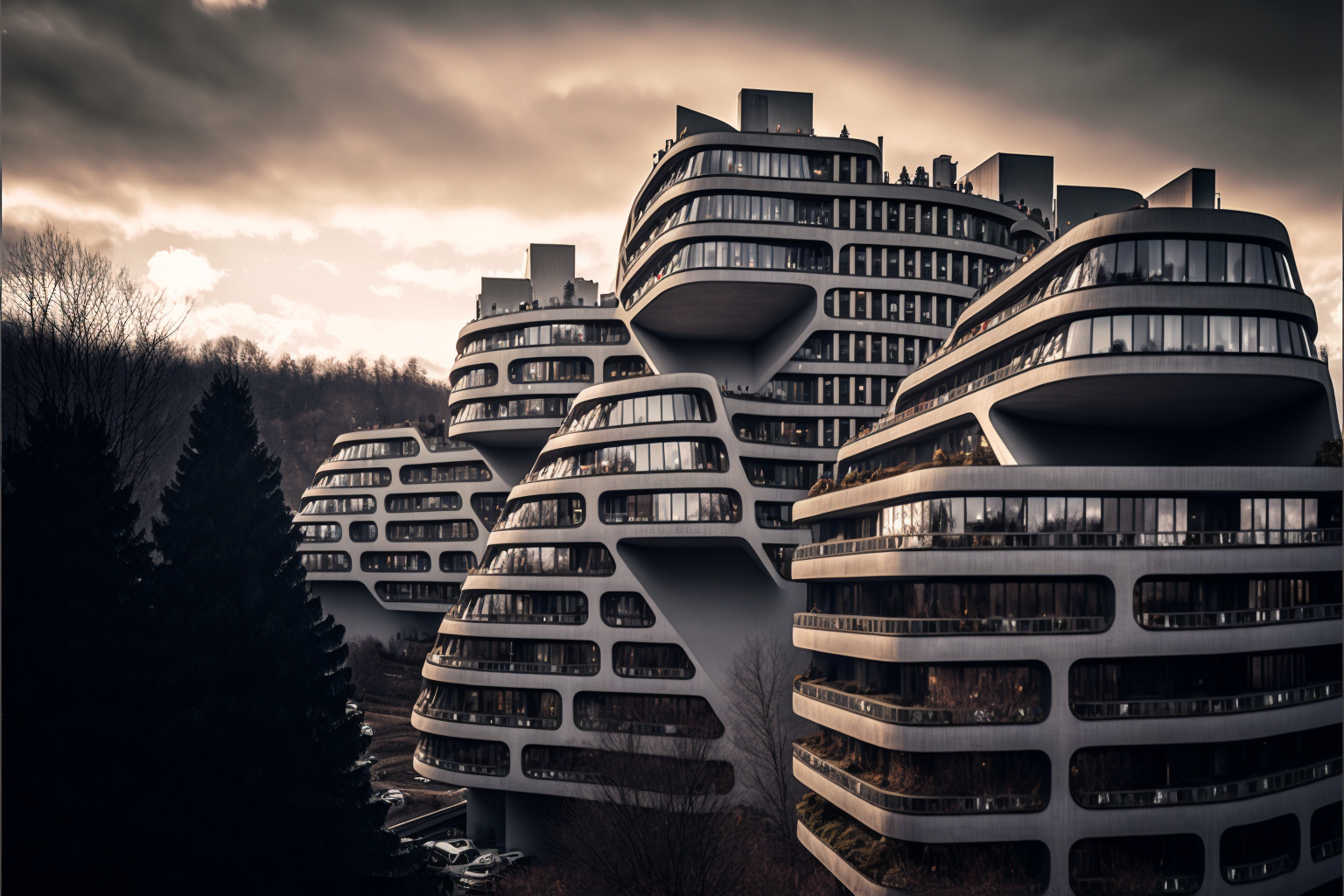
“A monumental Brutalist building made of raw exposed concrete with strong geometric forms.”
Brutalist architecture is a design movement from the 1950s–1970s, known for raw concrete, heavy geometric forms, and minimal decoration. The style prioritizes function over aesthetics.
Origins and History
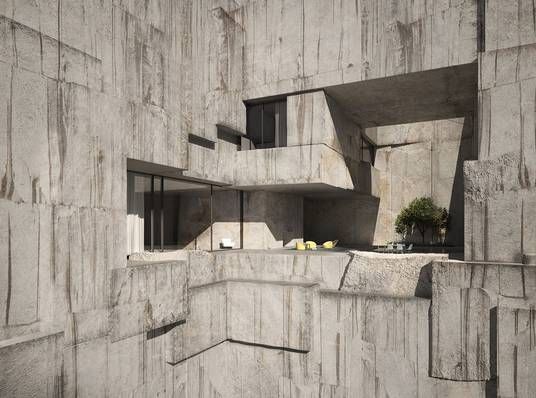
“A modern plaza with towering Brutalist concrete structures and sharp angular silhouettes.”
- Originated after World War II during mass rebuilding.
- Term comes from bétón brut — raw concrete.
- Key architects: Le Corbusier, Paul Rudolph, Smithsons.
- Used for universities, housing, government buildings.
Key Characteristics
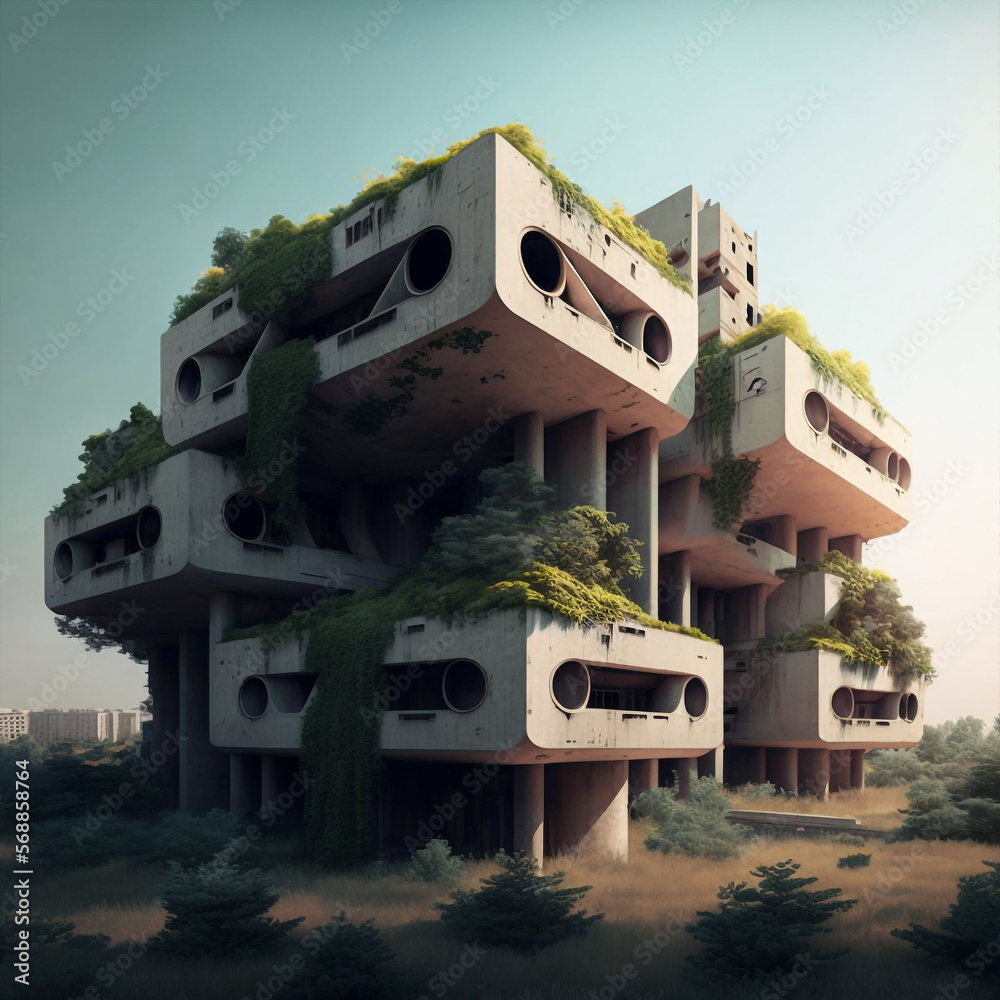
“A geometric Brutalist building with block-like volumes and rugged concrete textures.”
- Exposed concrete walls
- Bold, blocky geometric shapes
- Minimal decoration
- Strong focus on materials and structure
Famous Brutalist Buildings
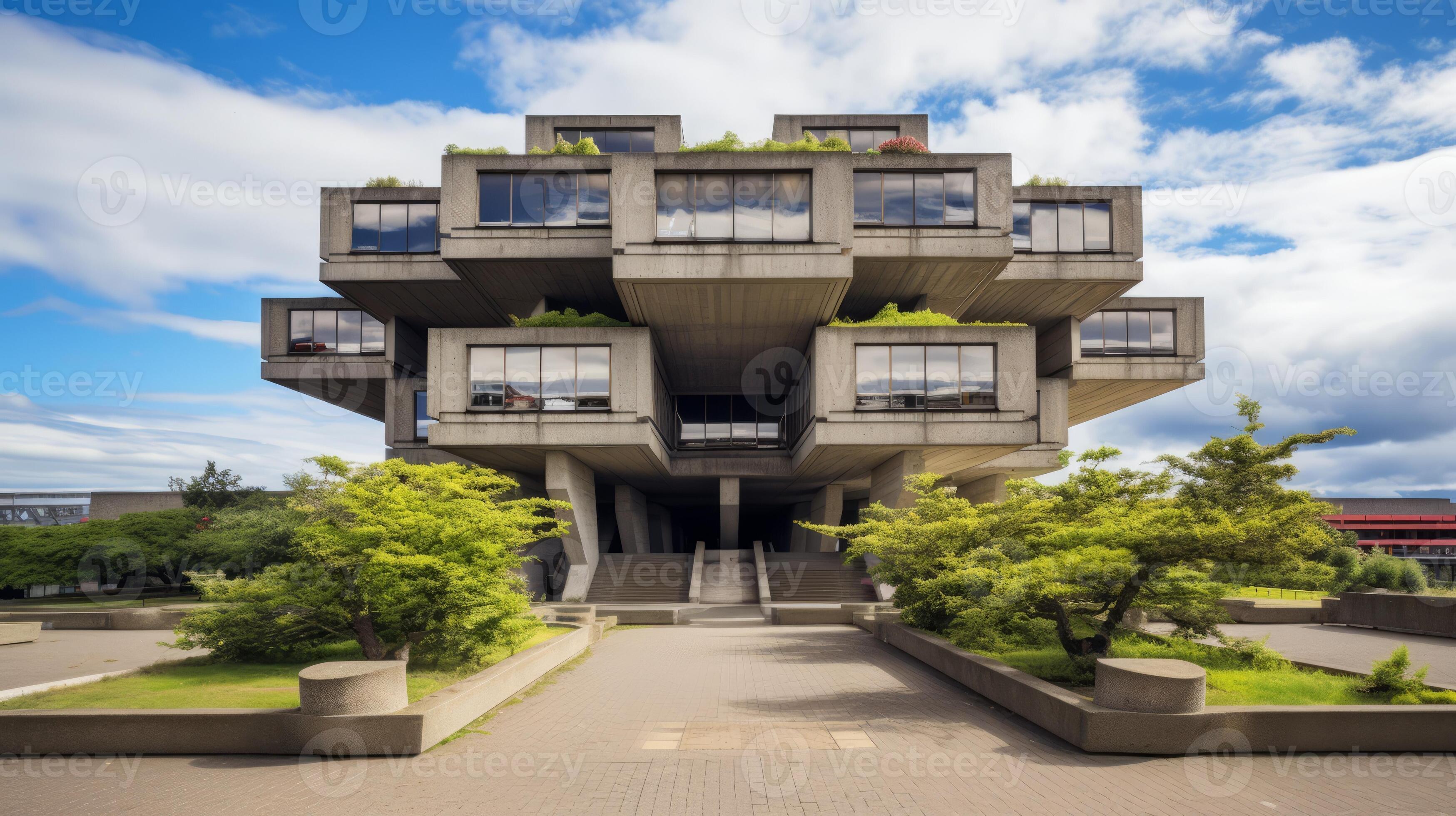
“A residential Brutalist complex with massive concrete slabs and sculptural forms.”
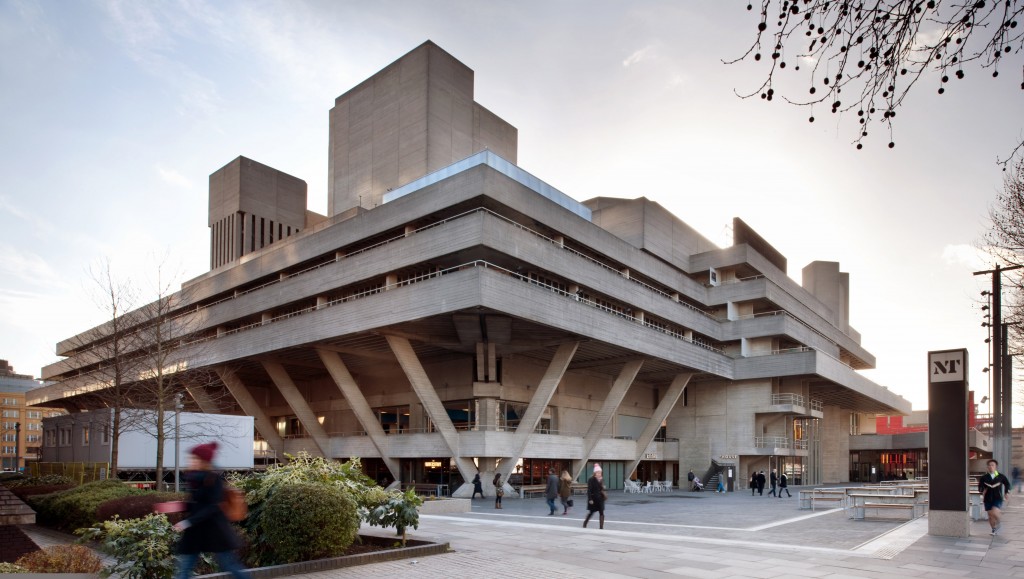
“A cultural landmark with fortress-like concrete forms and layered geometry.”
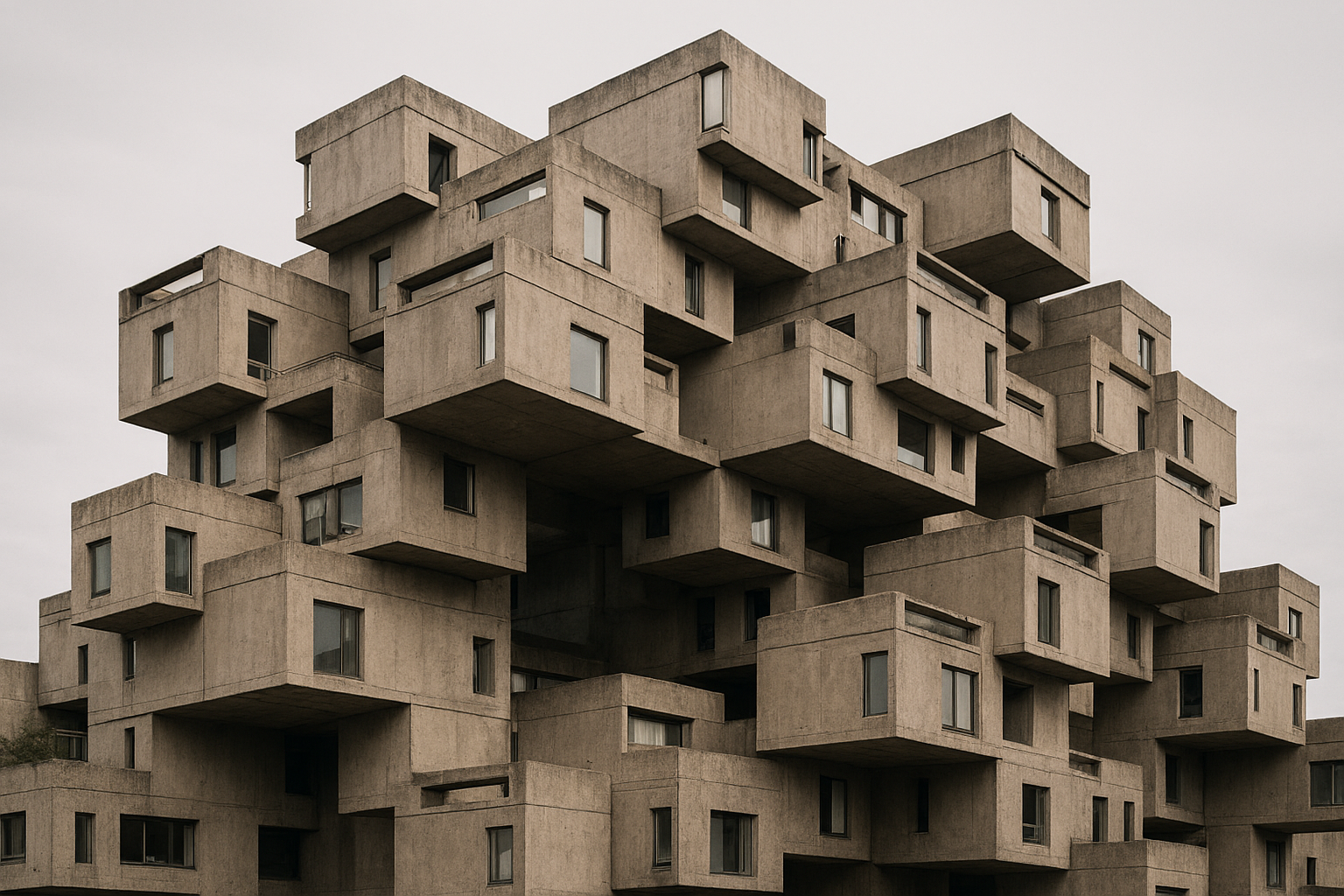
“Iconic modular concrete housing showcasing experimental Brutalist design.”
- Unité d’Habitation – France
- National Theatre – London
- Habitat 67 – Montreal
Conclusion
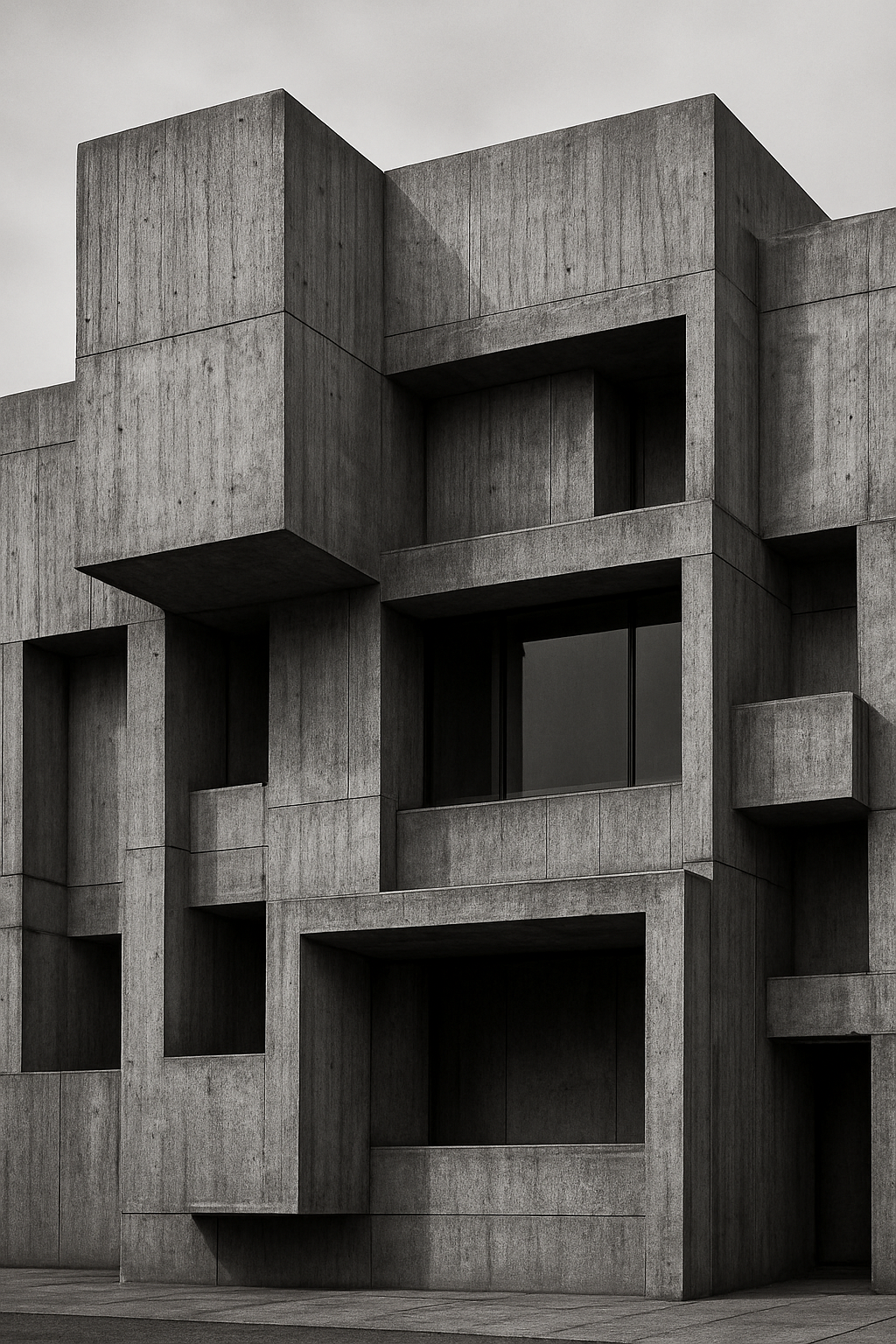
“A bold concrete façade highlighting the raw material style of Brutalist design.”
Brutalist architecture remains bold and iconic. While some criticize its heavy appearance, the style is admired for honesty in materials and strong architectural identity.